 |  |  |  |  |
| Astronomy and Astrophotography |

Over 70,000 stars were counted by the Deep Sky Stacking software during the stacking of this total of one hour of exposures. These nebula are part of an emission and HII star forming region in Sagittarius. The surrounding dense star clouds are reflective of their location in line with our galactic core. Distance from Earth: 4,100 light years. Width: 50-100 light years. Dark Sky Image Location: My cousin Mr. Jay Smith's river property, Hawkinsville, GA - April 4, 2011. Imagers: Michael DeMita and Greg Myers - 4/4/2011 |
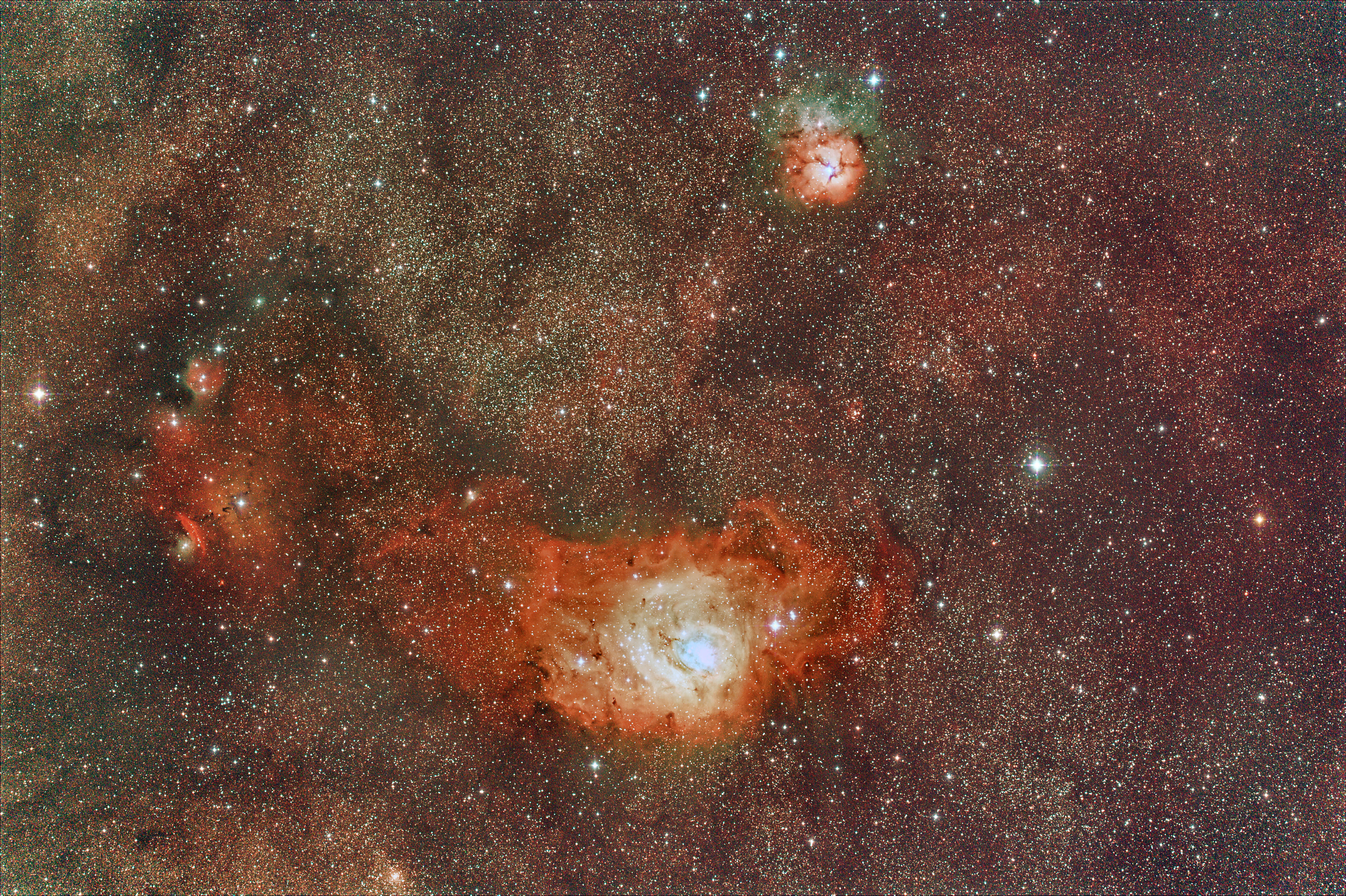
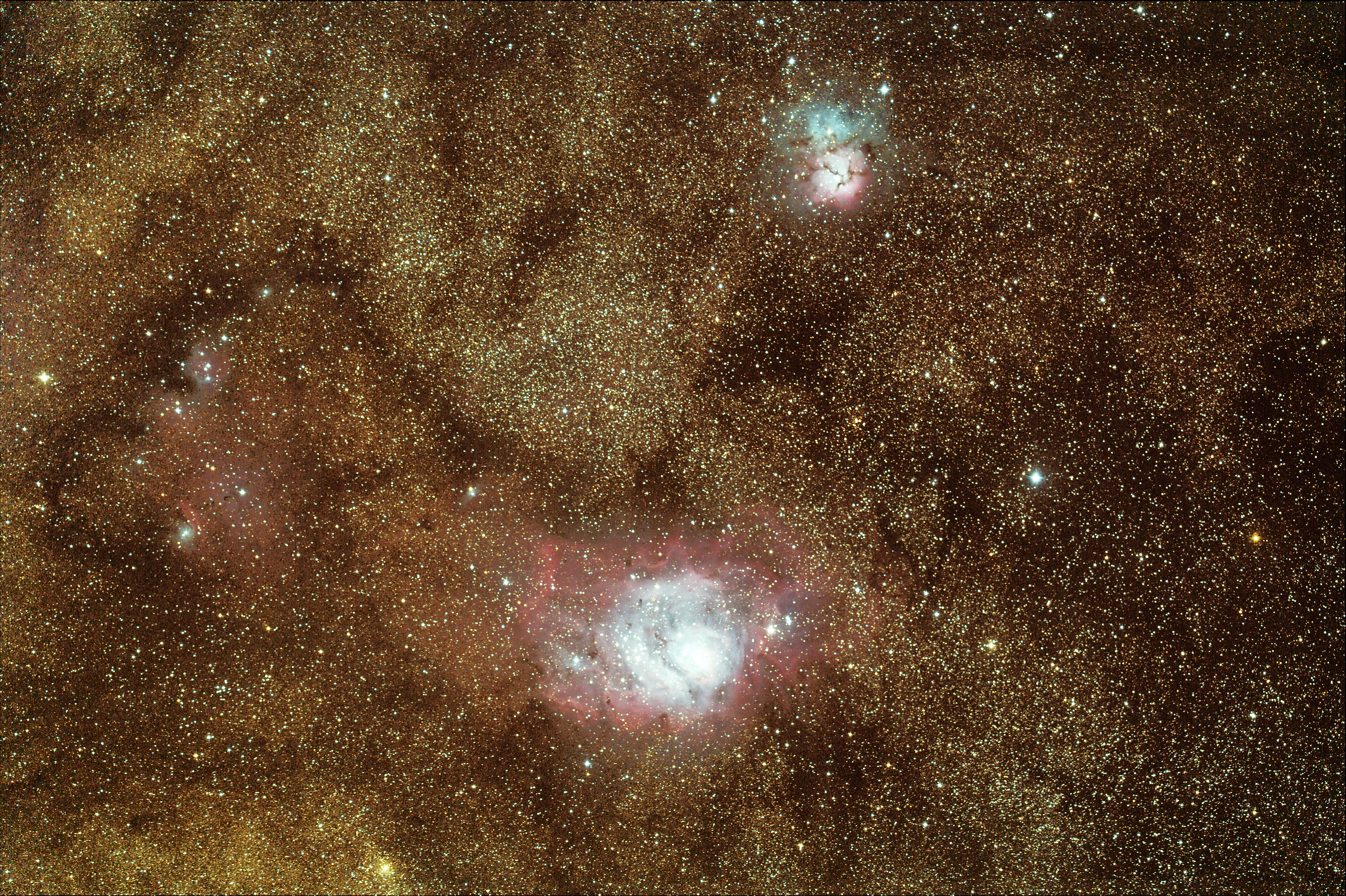
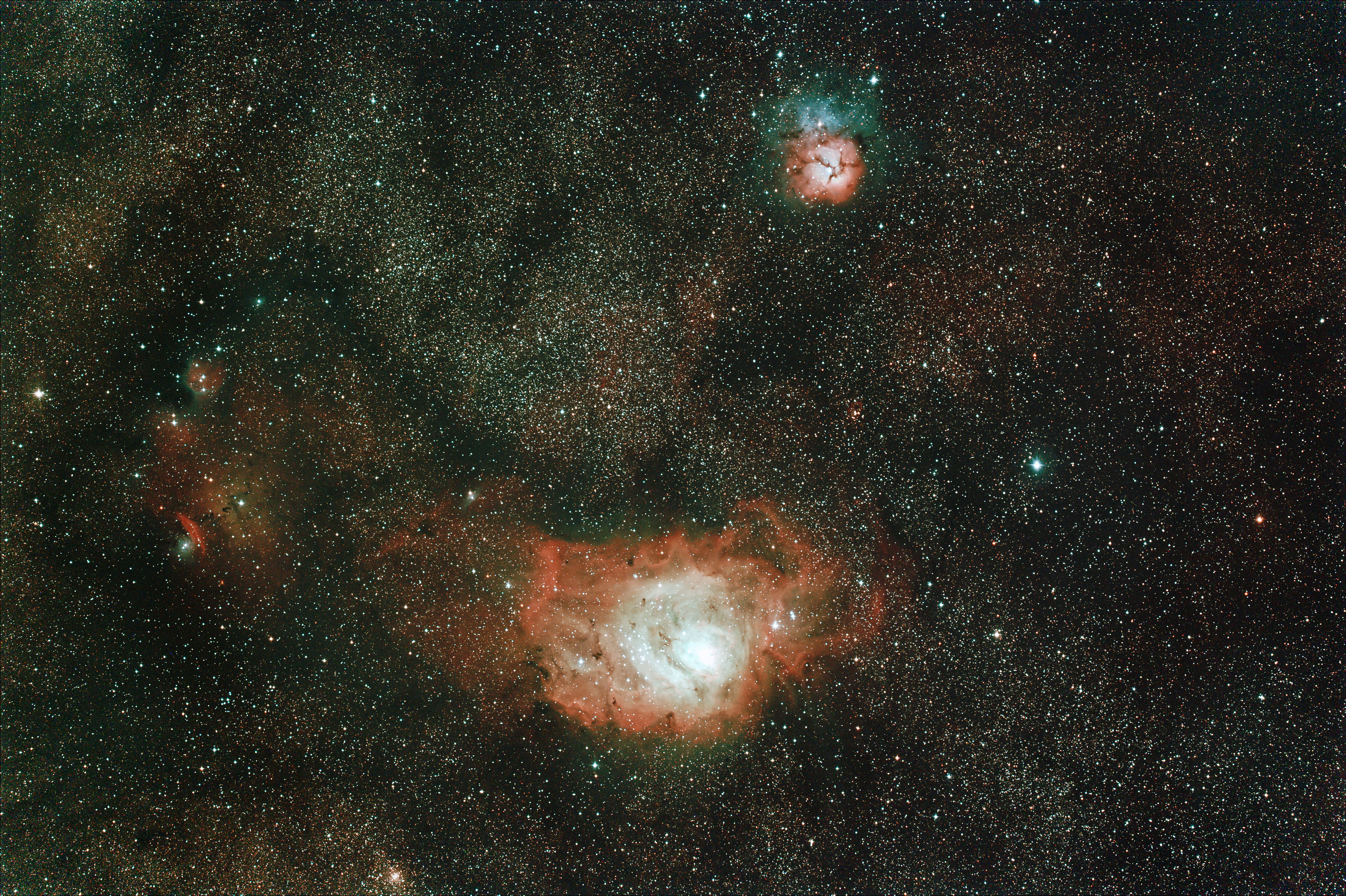
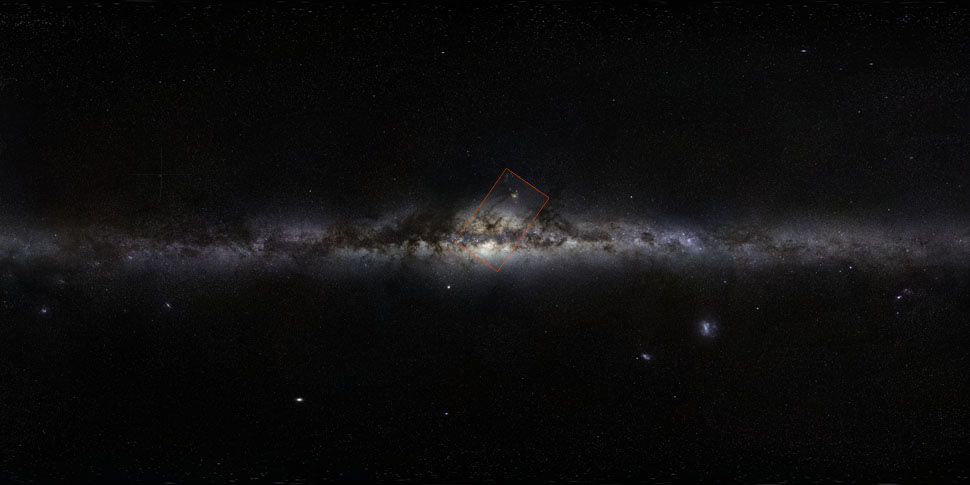
| Above: Location of object in Sagittarius near the core of the Milky Way. |
| 1, 2 and 3 minute exposures were stacked (35 m total) in RGB. |
| 5x5 minute exposures were stacked (25 m total) using a Baader UHC-S filter. |
| Capture, Guiding and Processing: Nebulosity and PHD. DSS for stacking and PS CS4 post-processing. Image details: 35 minutes of 1,2 and 3 minute exposures in RGB and 25 minutes using a UHC-S filter. Total = 1 hour. Un-modified Canon EOS 5D DSLR and a Hyperstar III lens on a Celestron 11" Edge HD SCT Telescope (f1.8). Guide camera was a Starlight Xpress Lodestar. |

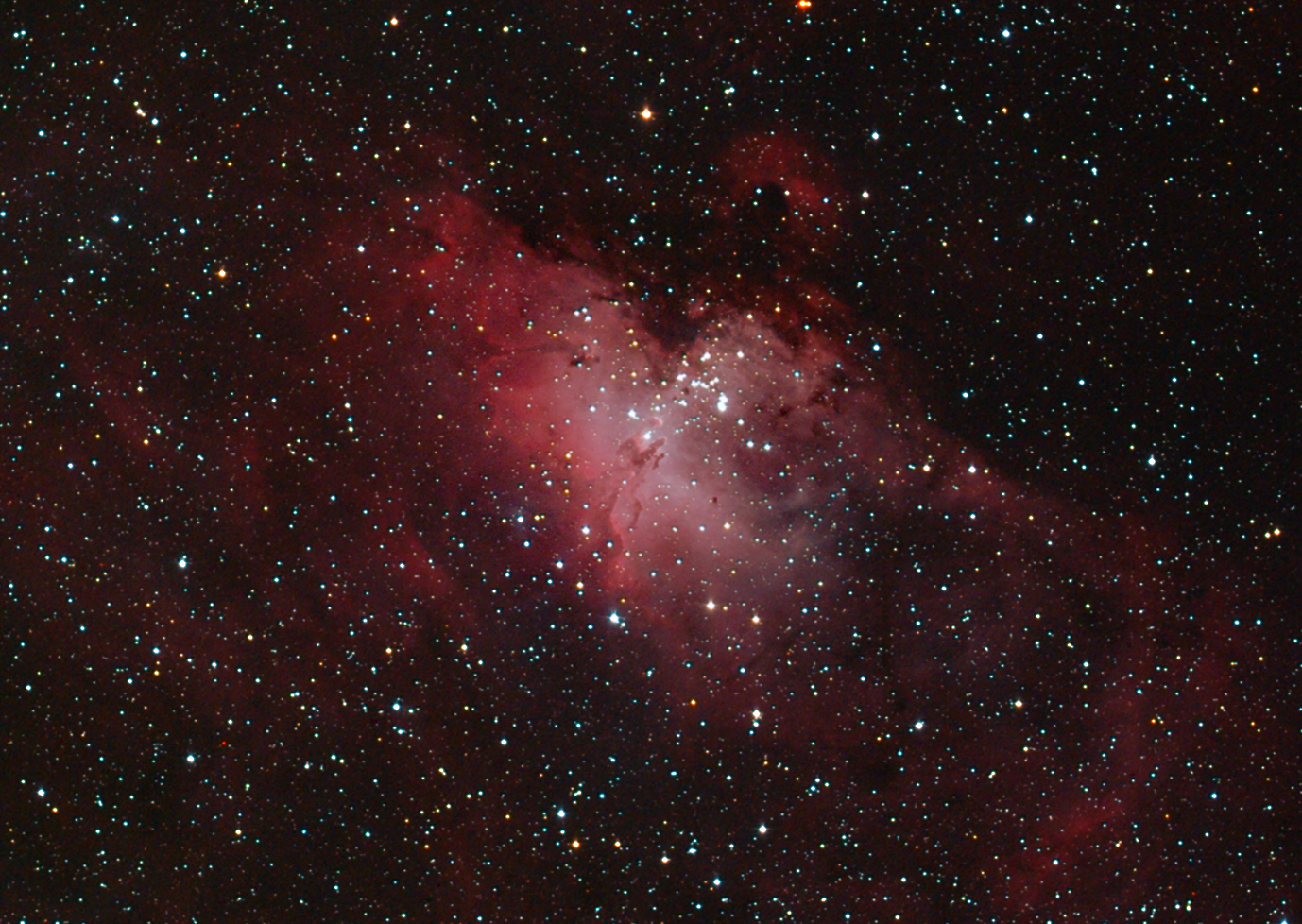
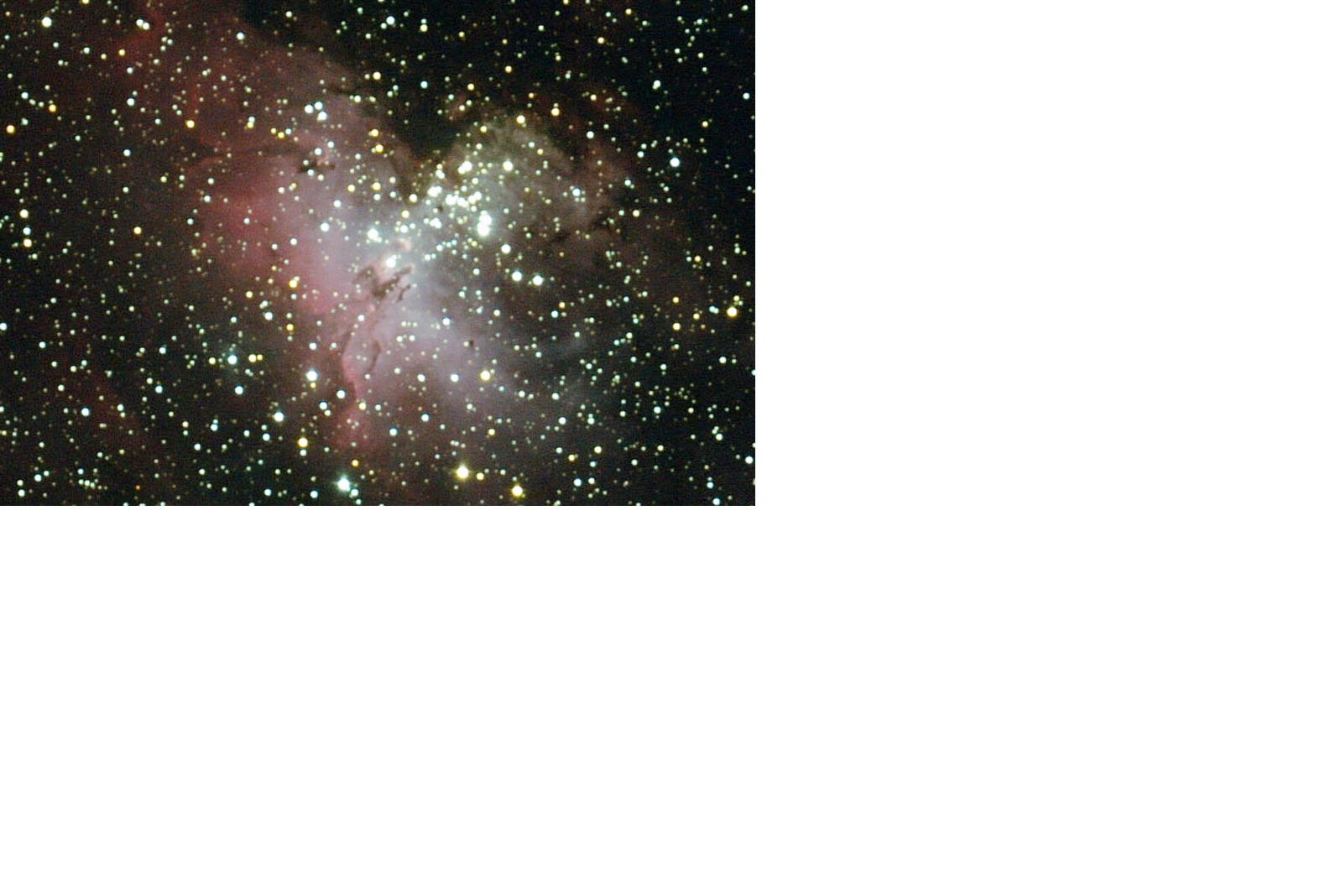
| The Eagle Nebula (M16) and Pillars of Creation Region: The Eagle Nebula is part of a diffuse emission nebula, or H II region, which is catalogued as IC 4703. This region of active current star formation is about 6,500 light-years distant. The tower of gas that can be seen coming off the nebula is approximately 100 trillion km (60 trillion miles) high. Dark Sky Image Location: My cousin Mr. Jay Smith's river property, Hawkinsville, GA - April 4, 2011. Imagers: Michael DeMita and Greg Myers - 4/4/2011 |
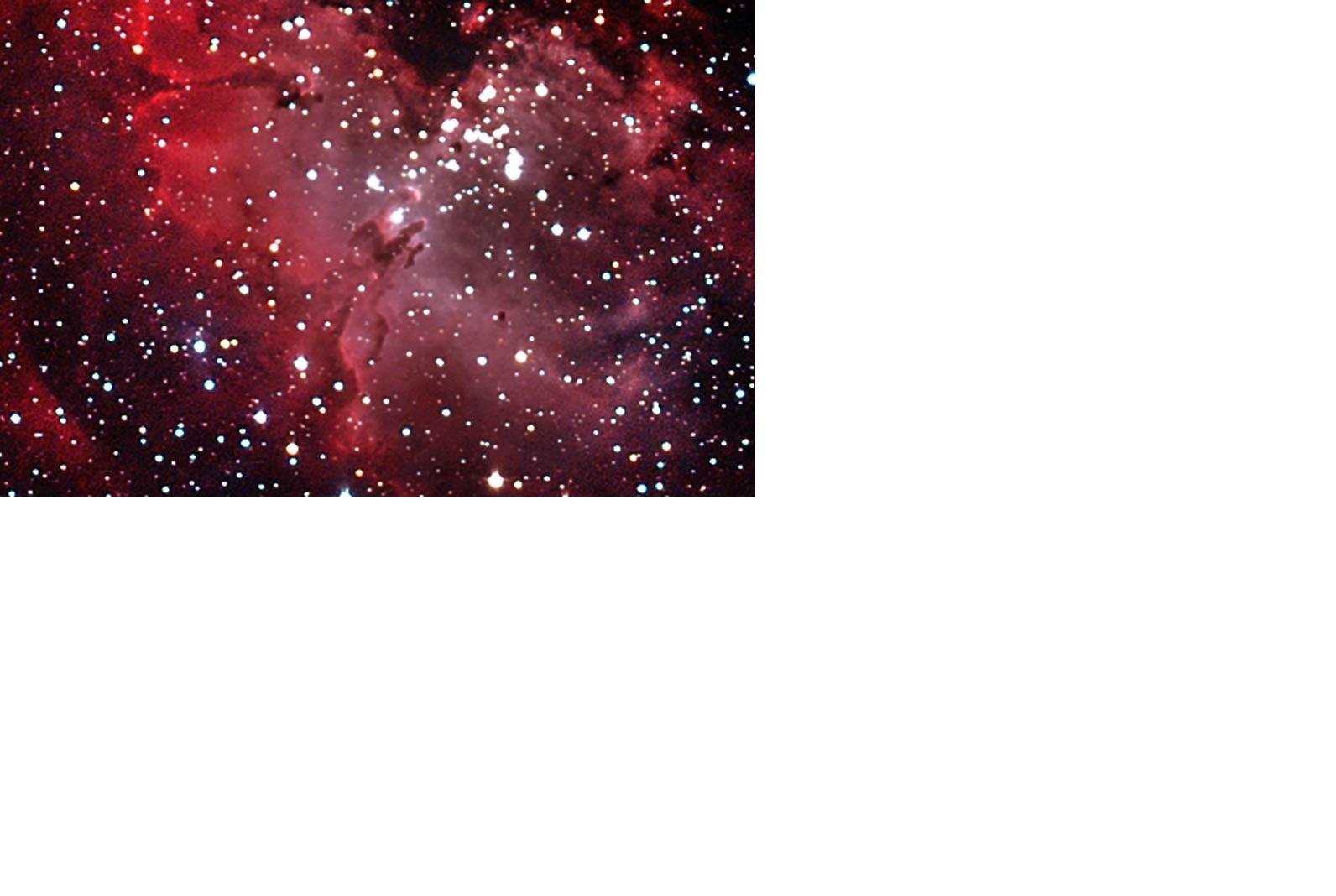
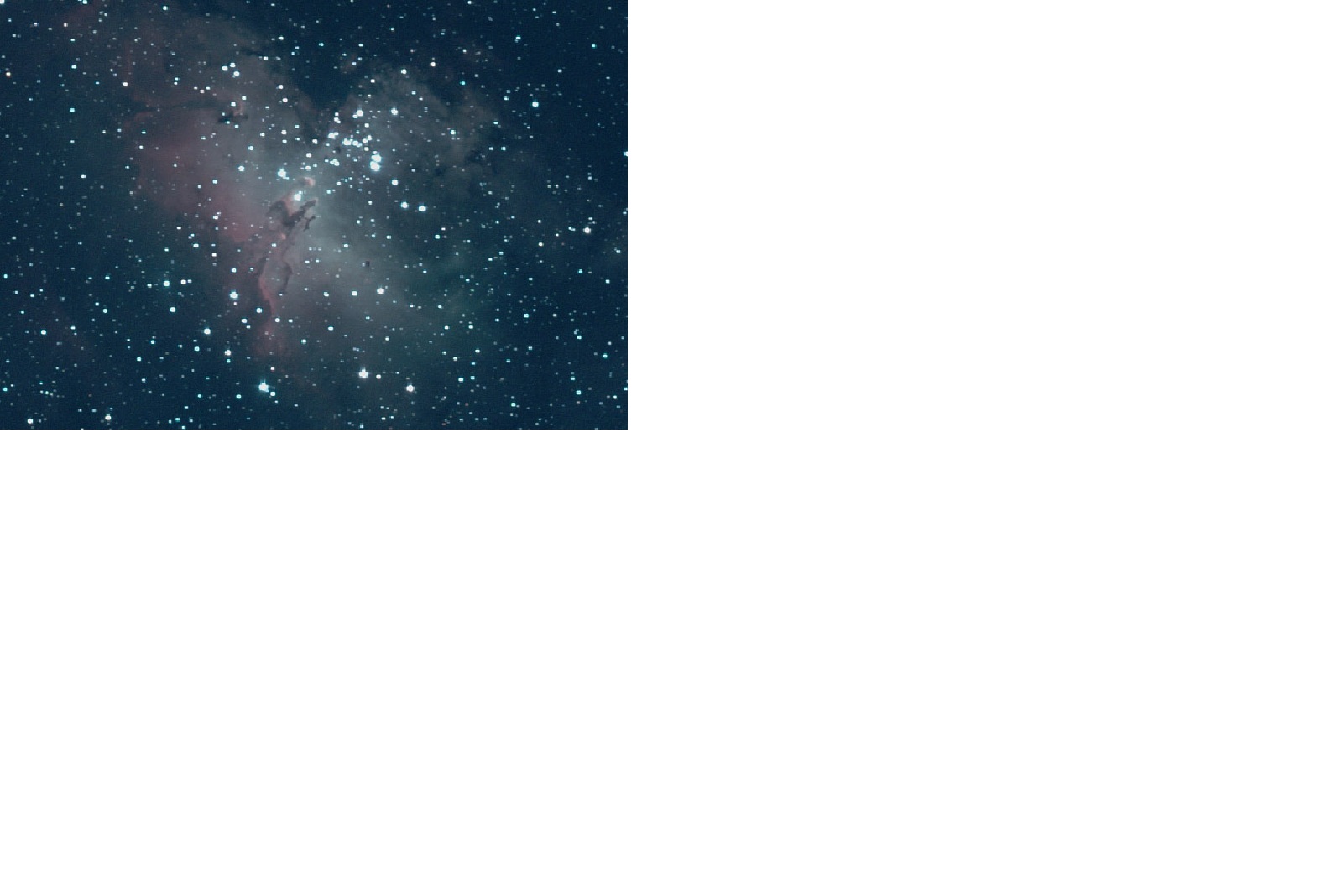
| 5x5 minute exposures were stacked (25 m total) using a Baader UHC-S filter. |
| 1, 2 and 3 minute exposures were stacked (53 m total) in RGB. |
| Capture, Guiding and Processing: Nebulosity and PHD. DSS for stacking and PS CS4 post-processing. Image details: 53 minutes of 1,2 and 3 minute exposures in RGB and 25 minutes using a UHC-S filter. Total =78 minutes. Un-modified Canon EOS 5D DSLR and a Hyperstar III lens on a Celestron 11" Edge HD SCT Telescope (f1.8). Guide camera was a Starlight Xpress Lodestar. |

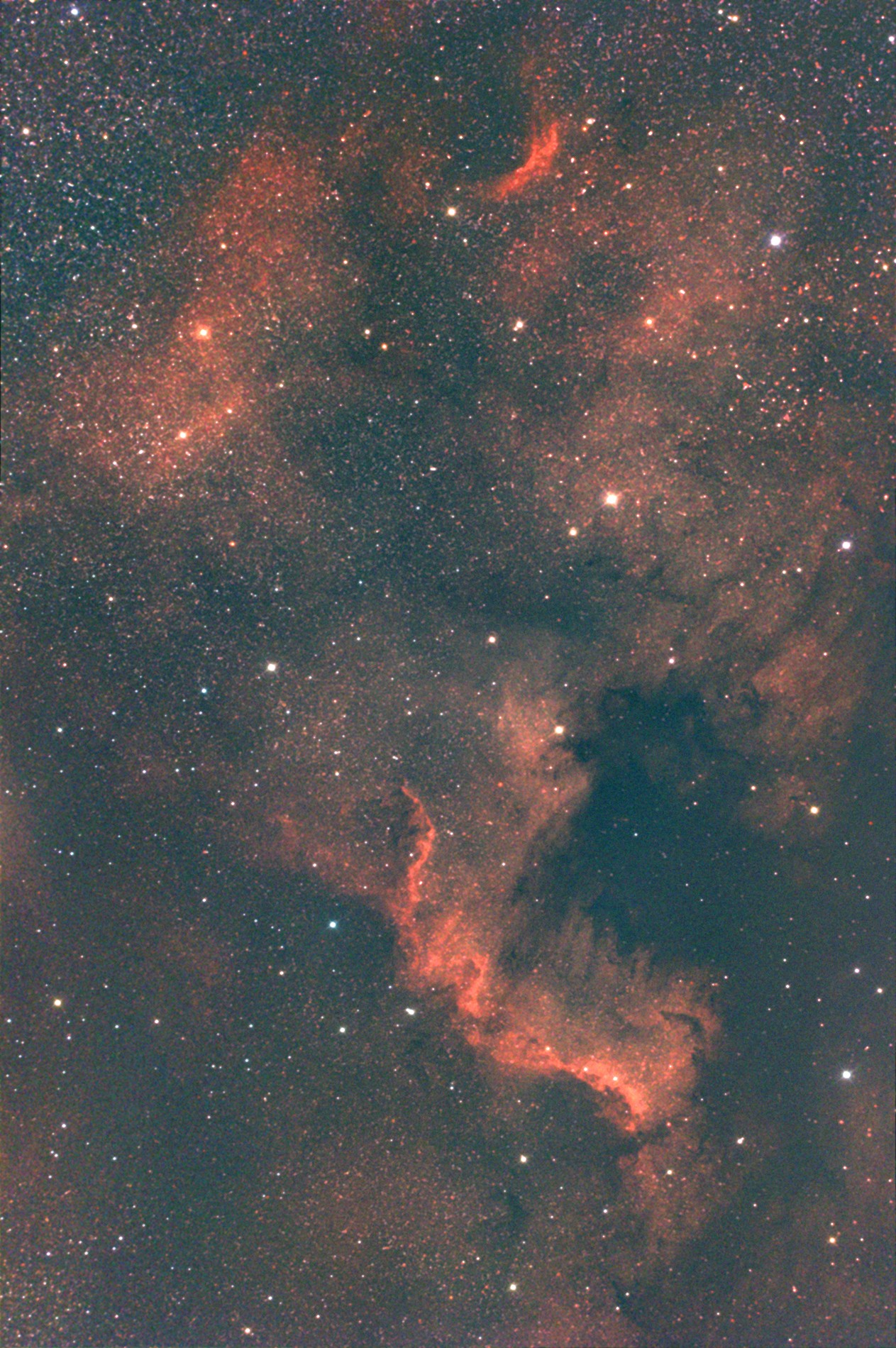
The North America Nebula (NGC 7000 or Caldwell 20) is an emission nebula in the constellation Cygnus, close to Deneb (the tail of the swan and its brightest star). The remarkable shape of the emission nebula resembles that of the continent of North America, complete with a prominent Gulf of Mexico. Located about 1500 light- years away from Earth, the two nebulae measure about 50 light-years across. Sir William Herschel discovered the nebula on 24 October 1786, from Slough, in England. Cygnus's Wall is a term for the "Mexico and Central America part" of the North America Nebula. The Cygnus Wall exhibits the most concentrated star formations in the nebula.
with Baader's UHC-S filter to produce the result. Primitive, but improving. This image was done from very light polluted skies in Atlanta. Imaging and Processing: Michael DeMita 5/20/2011 |
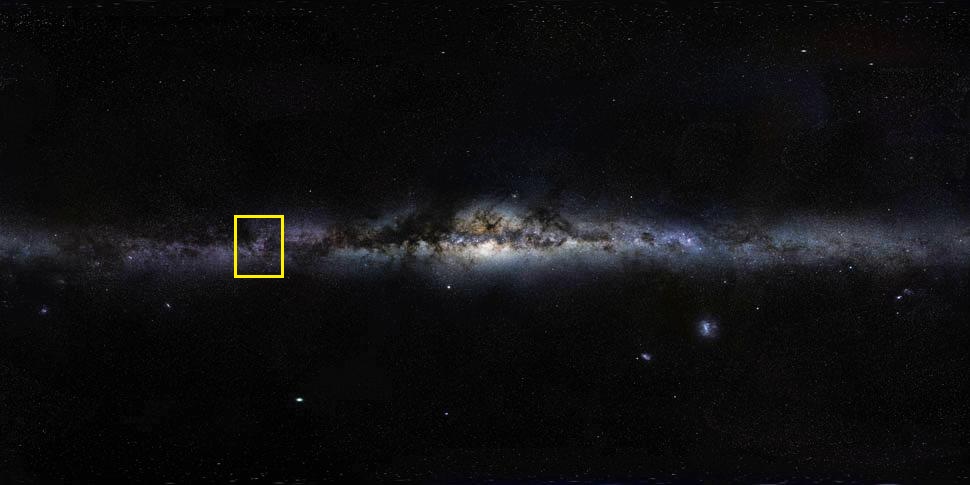
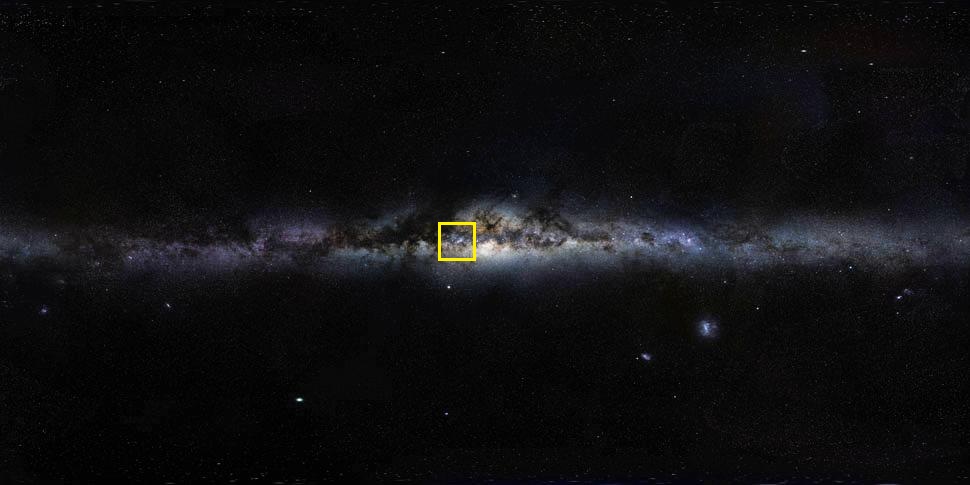
| Above: Location of object in the Milky Way. |
| Capture, Guiding and Processing: Nebulosity and PHD. DSS for stacking and PS CS4 post-processing. Image details: 55 minutes of 2,3,4 and 5 minute exposures in RGB with UHC-S filter and 35 minutes using a Ha filter. SXVR-M25C Camera and a Hyperstar III lens on a Celestron 11" Edge HD SCT Telescope (f1.8). Guide camera was a Starlight Xpress Lodestar. |
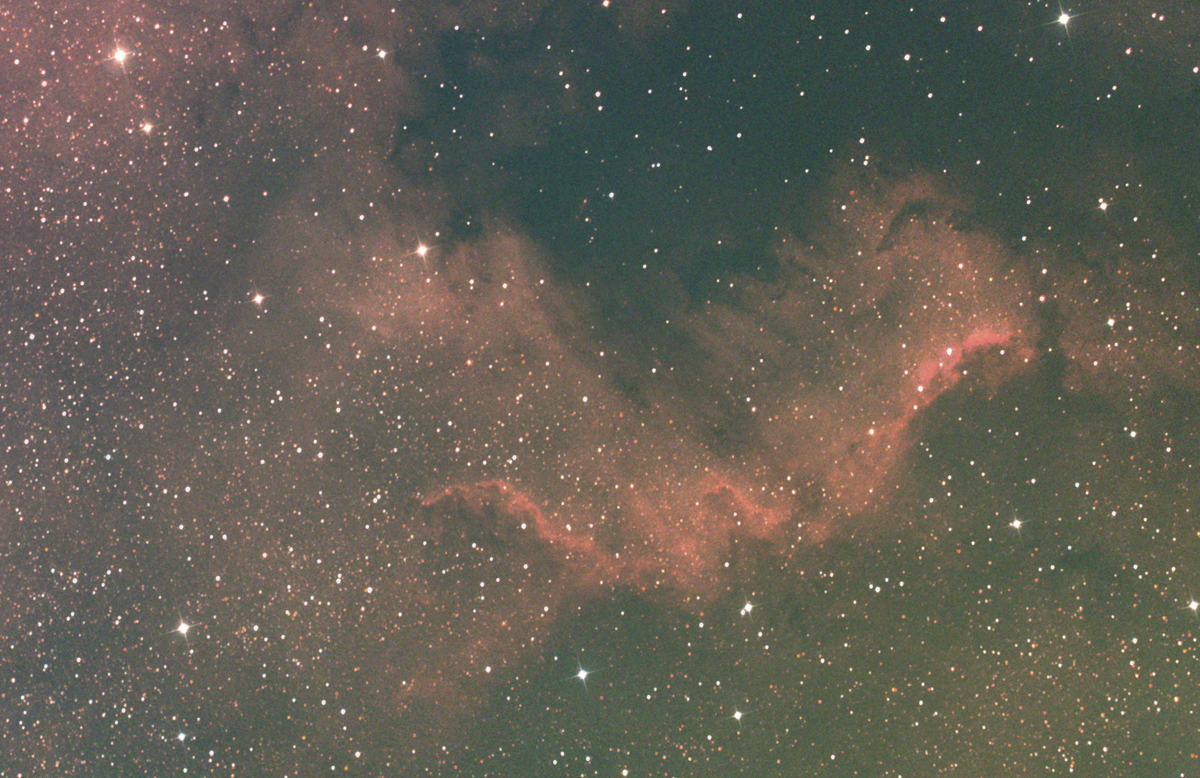
| Region of Interest - Cygnus's Wall: |
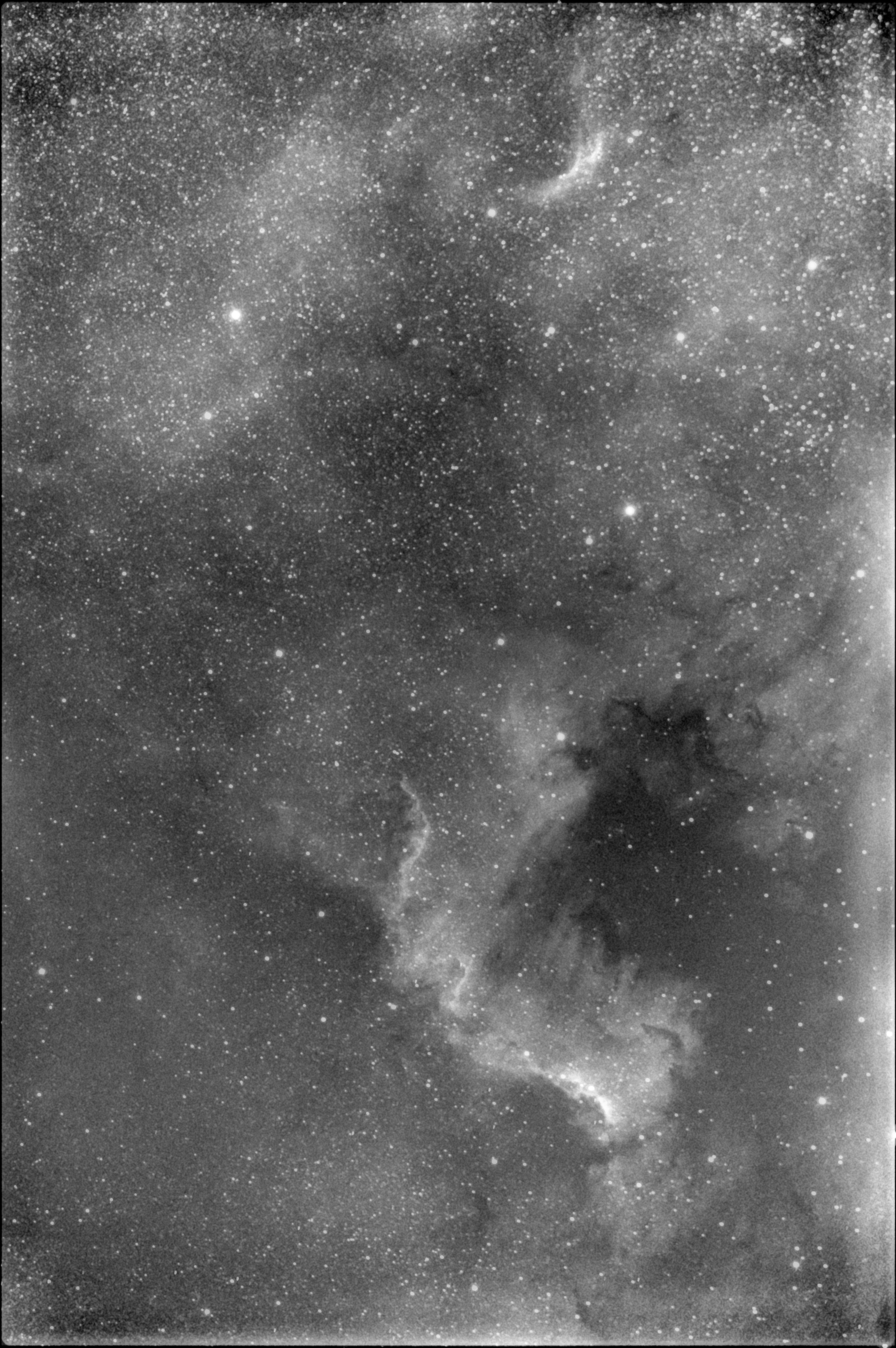
| SXVR-M25C one-shot color camera. RAW conversion via Nebulosity to bin 2x2 and then up-sized 200%. Dust and Scratch feature used to accentuate nebulosity and minimize stars. |
| Most Recent Astrophotographic Work (Page 4): |
| I have long been interested in the this and I am now trying it. Bought my first scope on 11/1/10. The photography side of it is difficult and will take years to learn. See below for recent work and archives. |
| Click Page # below for most recent astrophotographic work - higher page # is more recent: |

